






























Top 10 Universities in Pakistan 2026 – Rankings, Fees & Admissions Guide
Discover Pakistan's top 10 universities in 2026 — QS & HEC rankings, annual fees, entry test details, and admission tips for FSc students and their parents.

By Zara Hussain, Education & Tech Correspondent — March 14, 2026
Zara Hussain has covered higher education and edtech for Dawn, TechJuice, and ProPakistani for over seven years. She specialises in university admissions, HEC policy, and student finance in Pakistan. As a QAU alumna herself, she has a personal stake in making this information accessible. Reach her on LinkedIn: linkedin.com/in/zarahussain-edu
Here's a fact that should stop every FSc student mid-scroll: Pakistan now has 18 universities in the QS World University Rankings 2026 The Express Tribune — the highest number the country has ever achieved. Yet most students still pick a university based on what a relative studied there in 2005.
This guide cuts through that noise. Below you'll find the 10 best universities in Pakistan for 2026, ranked using the latest QS, THE, and HEC data — with real fees, entry test requirements, and the one thing most ranking articles never tell you.
What the Rankings Actually Measure (And What They Miss)
Before the list, a 60-second reality check.
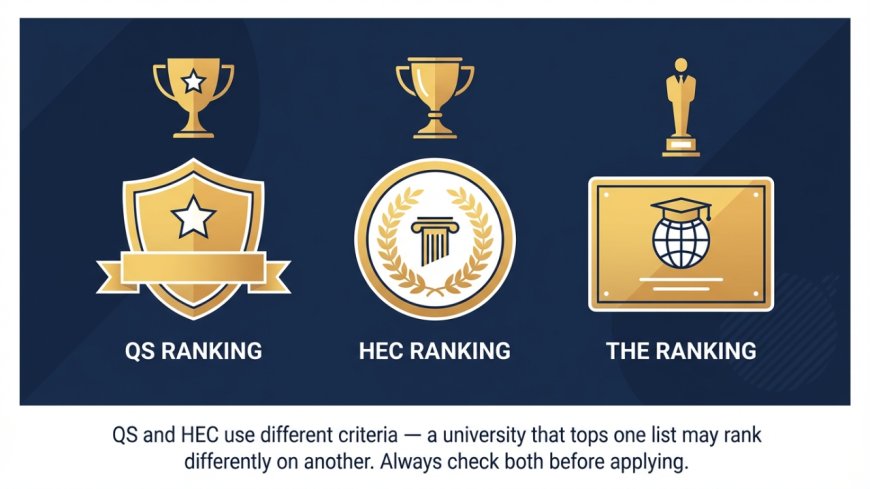
QS evaluates universities on academic reputation, employer reputation, faculty-to-student ratio, citations per faculty, international presence, and sustainability performance. The Express Tribune HEC's national ranking adds teaching quality, social integration, and financial health. THE weights research income and industry connections heavily.
The counterintuitive insight: a university that tops the QS list may not be the best choice for your specific degree. COMSATS, for example, ranks best in Pakistan for Computer Science and Chemical Engineering UniversityGuru — not QAU, which tops the overall list. Always check subject-level rankings, not just the headline number.
The Top 10 Universities in Pakistan 2026
Quick Reference Rankings Table
| Rank (Pakistan) | University | QS World Rank 2026 | Type | City |
|---|---|---|---|---|
| 1 | Quaid-i-Azam University (QAU) | 354 | Public | Islamabad |
| 2 | NUST | 371 | Public | Islamabad |
| 3 | University of the Punjab (PU) | 542 | Public | Lahore |
| 4 | LUMS | 555 | Private | Lahore |
| 5 | PIEAS | Top 500 Asia | Public | Islamabad |
| 6 | COMSATS University | 801–1000 | Public | Multi-campus |
| 7 | GC University Lahore | 601–800 | Public | Lahore |
| 8 | Aga Khan University (AKU) | Ranked (Medical) | Private | Karachi |
| 9 | UET Lahore | 801–1000 | Public | Lahore |
| 10 | NED University | 801–1000 | Public | Karachi |
Sources: QS World University Rankings 2026, THE World University Rankings 2026, HEC Pakistan
1. Quaid-i-Azam University (QAU), Islamabad
QS World Rank 2026: #354 | HEC: #1 General Category
QAU remains Pakistan's top-ranked institution at #354 globally in QS 2026. The Express Tribune It consistently leads in natural sciences and is ranked best in Pakistan for Pharmacy and Pharmacology. UniversityGuru
Strongest Faculties: Natural Sciences, Pharmacy, Biosciences, Social Sciences
Fees (Annual Estimate):
| Program | Annual Fee (PKR) |
|---|---|
| BS (Public, Subsidised) | 30,000 – 60,000 |
| MS/MPhil | 50,000 – 90,000 |
| PhD | 70,000 – 120,000 |
Fees are heavily subsidised as a federal university. Confirm current rates on qau.edu.pk
Entry Requirement: FSc/A-Levels, merit-based + subject-specific entry test depending on faculty. Strong FSc marks (65%+) usually required for competitive departments.
2. National University of Sciences & Technology (NUST), Islamabad
QS World Rank 2026: #371 | HEC: #3 (General), #1 Engineering
NUST is tied at #371 globally The Express Tribune, making it the joint top institution alongside QAU. It is the go-to destination for engineering, software, and management sciences.
Strongest Faculties: Engineering, Computer Science, Architecture, Business
Fees (Per Semester / Annual Estimate):
| Program | Per Semester (PKR) | Annual (PKR) |
|---|---|---|
| BE/BS Engineering | 150,000 – 200,000 | 300,000 – 400,000 |
| Computer Science | 150,000 – 200,000 | 300,000 – 400,000 |
| MBA/MS | 200,000 – 250,000 | 400,000 – 500,000 |
Source: Maqsad.io fee analysis, NUST admissions portal. Fees subject to annual revision.
Entry Requirement: NET (NUST Entry Test) — three series offered yearly. Typically 140+ out of 200 in NET required for top programs. Maqsad FSc Pre-Engineering compulsory for most engineering programs.
3. University of the Punjab (PU), Lahore
QS World Rank 2026: #542 | Pakistan's Largest University by Area
PU ranks best in Pakistan for Linguistics and Education. UniversityGuru It's the oldest university in the country and offers the widest range of programs — from law and arts to pharmacy and IT. Ideal for students who want breadth, not just depth.
Strongest Faculties: Arts & Humanities, Law, Education, Pharmacy, Sciences
Fees (Annual Estimate):
| Program | Annual Fee (PKR) |
|---|---|
| BS (Science/Arts) | 25,000 – 70,000 |
| LLB | 40,000 – 80,000 |
| MBA | 80,000 – 150,000 |
Entry Requirement: PU Entry Test (subject-specific). Merit varies widely by department.
4. Lahore University of Management Sciences (LUMS), Lahore
QS World Rank 2026: #555 | Pakistan's Top Private University
LUMS is the unambiguous leader among Pakistan's private institutions. It ranks best in Pakistan for Economics and Law. UniversityGuru Its graduates dominate top consulting firms, MNCs, and government policymaking bodies.
Strongest Faculties: Business (SDSB), Computer Science, Law, Social Sciences
Fees (Annual Estimate):
| Program | Annual Fee (PKR) |
|---|---|
| BSc (Sciences/CS) | 800,000 – 1,000,000 |
| BSc (SDSB Business) | 900,000 – 1,100,000 |
| LLB (5-year) | 700,000 – 950,000 |
LUMS has a robust need-based scholarship system. Over 30% of students receive financial aid. Don't let the sticker price turn you away before checking eligibility.
Entry Requirement: LUMS SAT-style entry test (LCAT), strong FSc/A-Level grades, and an interview for some programs.
5. Pakistan Institute of Engineering & Applied Sciences (PIEAS), Islamabad
QS Asia Rank 2026: Top 500 Asia | Pakistan's Most Selective University
PIEAS emerged as the top-ranked Pakistani university in the QS Asia Rankings 2026. Pave.pk It is fiercely competitive — fewer than 100 students per batch are admitted to engineering programs. It's government-funded and practically free for admitted students, with scholarships covering most expenses.
Strongest Faculties: Nuclear Engineering, Electrical Engineering, Biomedical Engineering
Fees: Near-zero tuition with full stipend for admitted BS students (government-funded).
Entry Requirement: PIEAS Entry Test. Extremely high merit — FSc 80%+ typically required.
6. COMSATS University Islamabad (CUI)
QS World Rank 2026: 801–1000 | HEC Top 10
Multi-campus, accessible, and strong in STEM. COMSATS ranks best in Pakistan for Computer Science and Chemical Engineering UniversityGuru — making it arguably the most practical choice for CS students who can't crack NUST's NET.
Strongest Faculties: Computer Science, Software Engineering, Mathematics, Electrical Engineering
Fees (Per Semester / Annual Estimate):
| Program | Per Semester (PKR) | Annual (PKR) |
|---|---|---|
| BS Undergraduate | 100,000 – 150,000 | 200,000 – 300,000 |
| MS/Graduate | 150,000 – 200,000 | 300,000 – 400,000 |
Source: COMSATS Islamabad fee structure, Fall 2025 session.
Entry Requirement: NTS-NAT test or COMSATS own entry test. Campuses in Islamabad, Lahore, Wah, Abbottabad, Attock, Sahiwal, and Vehari.
7. Government College University (GCU), Lahore
QS World Rank 2026: 601–800
GCU Lahore is one of Pakistan's oldest institutions and carries a legacy rarely matched by newer universities. Strong in pure sciences and humanities. GCU was ranked among Pakistan's top institutions in QS rankings Wikipedia and has been climbing steadily.
Strongest Faculties: Chemistry, Physics, Mathematics, Urdu Literature
Fees (Annual Estimate):
| Program | Annual Fee (PKR) |
|---|---|
| BS Sciences | 30,000 – 60,000 |
| MA/MSc | 40,000 – 70,000 |
Entry Requirement: GCU Entry Test + FSc/A-Level merit.
8. Aga Khan University (AKU), Karachi
THE Ranked | Pakistan's Top Medical Institution
AKU is in a category of its own for medicine and health sciences. It operates at international standards and its graduates routinely secure residencies in the US, UK, and Canada. Expensive — but for medicine, arguably worth every rupee.
Strongest Faculties: MBBS, Nursing, Education, Health Sciences
Fees (Annual Estimate):
| Program | Annual Fee (PKR) |
|---|---|
| MBBS | 900,000 – 1,400,000 |
| BScN (Nursing) | 500,000 – 700,000 |
Entry Requirement: AKU Admission Test (AKU-EB) — highly competitive, modeled on international standards.
9. UET Lahore (University of Engineering & Technology)
QS World Rank 2026: 801–1000
UET Lahore is the oldest engineering university in Pakistan and feeds major infrastructure, energy, and manufacturing firms. Less glamorous than NUST, but its civil and mechanical graduates are everywhere in Pakistan's largest projects.
Strongest Faculties: Civil Engineering, Mechanical Engineering, Electrical Engineering
Fees (Annual Estimate):
| Program | Annual Fee (PKR) |
|---|---|
| BE Engineering | 60,000 – 120,000 |
| MS | 80,000 – 140,000 |
Entry Requirement: UET Entry Test + FSc Pre-Engineering with 60%+ marks.
10. NED University of Engineering & Technology, Karachi
QS World Rank 2026: 801–1000
Karachi's premier engineering institution. NED alumni run a significant portion of Karachi's industrial and infrastructure sector. Affordable fees, strong industry connections, and improving research output make it a solid choice for Karachi-based students.
Strongest Faculties: Civil, Mechanical, Industrial & Manufacturing Engineering, Architecture
Fees (Annual Estimate):
| Program | Annual Fee (PKR) |
|---|---|
| BE Engineering | 50,000 – 100,000 |
| Architecture | 60,000 – 110,000 |
Entry Requirement: UET/NED Entry Test. FSc Pre-Engineering required.
Fees At a Glance: Public vs Private Comparison
| University | Type | Annual Fee Range (PKR) | Scholarship Availability |
|---|---|---|---|
| QAU | Public | 30,000 – 120,000 | Yes (HEC, Merit) |
| NUST | Public (Semi) | 300,000 – 500,000 | Yes (Need + Merit) |
| PU | Public | 25,000 – 150,000 | Yes (Limited) |
| LUMS | Private | 700,000 – 1,100,000 | Yes (30%+ students aided) |
| PIEAS | Public | Near Zero | Full Stipend |
| COMSATS | Public | 200,000 – 400,000 | Yes (Merit-based) |
| GCU Lahore | Public | 30,000 – 70,000 | Yes |
| AKU | Private | 500,000 – 1,400,000 | Limited |
| UET Lahore | Public | 60,000 – 140,000 | Yes |
| NED | Public | 50,000 – 110,000 | Yes |
All fees are estimates based on 2025–26 data. All fees and other charges are subject to revision from time to time. NUST Always verify directly with the university admissions office.
Entry Tests: What You Need to Know Before Applying
| University | Entry Test | Frequency | Cost (PKR) |
|---|---|---|---|
| NUST | NET (3 series) | 3x/year | ~3,000 |
| COMSATS | NTS-NAT or CUI Test | Multiple | ~500–1,000 |
| LUMS | LCAT | Once/year | ~3,500 |
| PU | PU Test | Once/year | ~1,000 |
| UET/NED | UET Entry Test | Once/year | ~1,500 |
| PIEAS | PIEAS Test | Once/year | ~1,000 |
| AKU | AKU-EB Test | Once/year | ~3,000 |
Tip: NUST's three-test series is a genuine advantage. Students who don't score well in March can reappear in June or July. Use it.
Why This Matters: The Ranking Gap Nobody Talks About
Here's the uncomfortable truth this article wants you to sit with.
Over the past decade, Pakistan has made notable progress in improving higher education quality, supported by HEC initiatives including increased research funding, faculty development programs, and stronger ties with international academic bodies. Pave.pk
Yet the gap between what rankings measure and what students actually need remains wide.
A student in Quetta choosing between QAU and COMSATS isn't making a global academic decision — they're making a financial, geographic, and career-specific one. In public universities, base tuition might start at PKR 20,000–50,000 per semester, but additional charges like exam fees, library deposits, and lab fees can add PKR 5,000–15,000 more. Private institutions charge upwards of PKR 500,000 annually, but hidden costs push totals even higher. TechJuice
The smarter approach: pick your field first, then find the university that ranks best in that subject, not the one that ranks highest overall. A COMSATS CS degree, backed by strong coding skills and a portfolio, will outperform a QAU arts degree in Karachi's job market every single time.
HEC's roadmap aims to place at least 10 Pakistani universities among Asia's top 500 by 2030, with focus on industry–academia linkages, digital learning, and research commercialization. Pave.pk That's promising — but the student in front of you has to decide now, not in 2030.
The Bottom Line
Pakistan's university landscape in 2026 is genuinely stronger than it was five years ago. Eighteen QS-ranked institutions, improving research output, and growing scholarship funds mean more options than ever before.
For FSc Pre-Engineering students: Aim for NUST or PIEAS. Sit the NET early. COMSATS is a strong backup — not a consolation prize.
For Pre-Medical students: AKU if you can afford it and crack the test. Otherwise, top public medical colleges via MDCAT remain the most viable path.
For Commerce/CS students: LUMS for those who can secure aid. FAST-NUCES and COMSATS are excellent value alternatives.
For parents: Ask the university's career services office — not marketing — what percentage of last year's graduates were employed within six months of graduation. That one number will tell you more than any ranking.
The best university in Pakistan is the one where you'll finish.
External Reference: QS World University Rankings — topuniversities.com External Reference: HEC Pakistan — hec.gov.pk
[Link: suggested anchor "NUST entry test preparation guide" → NUST NET Preparation Tips] [Link: suggested anchor "HEC scholarship programs 2026" → HEC Scholarship Guide] [Link: suggested anchor "best universities for computer science Pakistan" → CS University Rankings Pakistan]
Author Bio — Zara Hussain Zara Hussain is an education and technology journalist who has written for Dawn, TechJuice, and ProPakistani, covering higher education policy, edtech startups, and student finance across Pakistan. She specialises in breaking down complex HEC policy and university data for students and parents navigating admissions. A QAU alumna herself, she has personally navigated the entry test gauntlet she writes about. Connect with her at linkedin.com/in/zarahussain-edu.
What's Your Reaction?
 Like
0
Like
0
 Dislike
0
Dislike
0
 Love
0
Love
0
 Funny
0
Funny
0
 Angry
0
Angry
0
 Sad
0
Sad
0
 Wow
0
Wow
0